
 Taylor Calcium Hardness Drop Test, EDTA In stock$4899
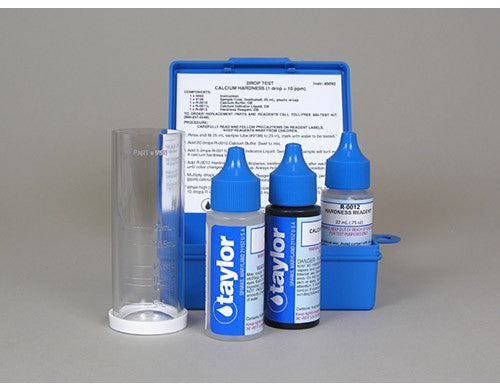
Taylor Calcium Hardness Drop Test, EDTA
30 day returns · Easy, with prepaid labels provided
Quick overview
- Calcium hardness only A dedicated hardness test rather than a multi parameter kit.
- EDTA titration Uses the EDTA drop method, the standard way hardness is measured in pool water.
- One drop equals 10 ppm Count the drops to the color change and multiply by ten for your reading.
- Taylor K-1770 The Taylor part number, so reagent refills and instructions match up.
- Useful on plaster pools Hardness that runs too low pulls calcium out of plaster and grout, and too high leaves scale.
- Pairs with a full kit Fills the hardness gap for anyone whose main test kit only covers chlorine and pH.

Need a hand?


Similar products
Other products people compare with this one.
 AquaChek Pro 5-Way Pool and Spa Test Strips, 100 Strip Bottle$2499
 AquaChek TruTest Test Strips, 100 Count$3299
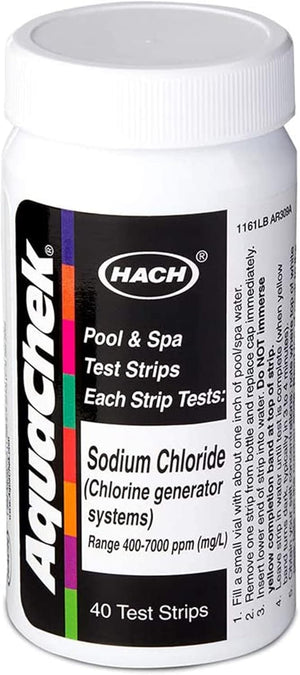 AquaChek White Salt Titrators, Salt Water Test Strips, 40 Count Bottle$4199
 LaMotte Replacement Spin Disk Syringe 3 mL, Pack of 3$2499
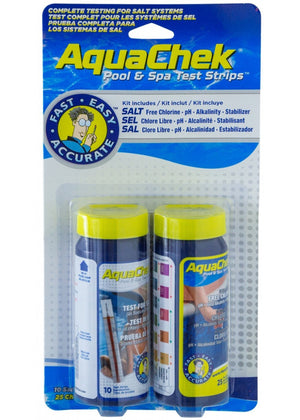 AquaChek Salt System Test Kit for Salt Water Pools, Yellow 4-Way and White Salt Test Strips$2599
 Pentair Cyanuric Acid Specialty Test Kit$3399
 Pentair 4-in-1 OTO Test Kit, Chlorine, pH, Acid Demand and Total Alkalinity$5199
 Taylor Residential Trouble-Shooter DPD Test Kit$3999
 Taylor FAS-DPD Titrating Reagent, 32 oz$6399
 AquaChek Select Connect 7-Way Pool and Spa Test Strips Complete Kit, 50 Strips$3111
 Taylor Phenol Red #4 pH Indicator Solution, 16 oz$4799
 Taylor Reagent Silver Nitrate, 3/4 oz.$2999
 Taylor Phosphate Test Kit, 0-1000 PPB$5099
 Pentair Total Water Hardness Testing Parameter Specialty Test Kit$2699
 LaMotte Phenol Red pH TesTabs, Pack of 1000$6199
 Taylor FAS-DPD Titrating Reagent R-0871-E, 16 oz.$5599
 Taylor Cyanuric Acid Reagent, 1 Gal$6199
 LaMotte Low Range Copper Test Kit$3999
 LaMotte DPD #1 Tabs, 100 Strips of 10$5299
 Taylor Salt Water Drop Test Kit$4999
Product details
The Taylor K-1770 is a drop test for calcium hardness using the EDTA method, scaled so that each drop equals 10 ppm.
How it works
You take a measured water sample, add the indicator, then add the titrating reagent drop by drop until the sample changes color. The number of drops multiplied by ten is your calcium hardness in parts per million. It is a straightforward count with no meter to calibrate.
Why hardness matters
Calcium hardness is one of the numbers that decides whether your water is scaling or aggressive. Water that is too soft pulls calcium out of plaster, grout and stone coping. Water that is too hard drops it back out as scale on tile, heater elements and salt cells. A kit that tests hardness on its own is worth having when your main kit only covers chlorine and pH.
| Brand | Taylor |
|---|---|
| Manufacturer part number | K-1770 |
| UPC | 8400360 0397 8 |
| Type | Drop test kit |
| Tests for | Calcium hardness |
| Method | EDTA |
| Resolution | 1 drop = 10 ppm |
| Shipping weight | 0.1 lb |
| Ships | Parcel |
Request a quote
Need a volume price, a freight quote, or pricing in writing before you order? We reply the same business day.
Customer reviews
Questions and answers
What people ask about this product, answered by our pool techs.